Sigiriya
Sigiriya Rock Fortress: Sri Lanka's Palace in the Sky
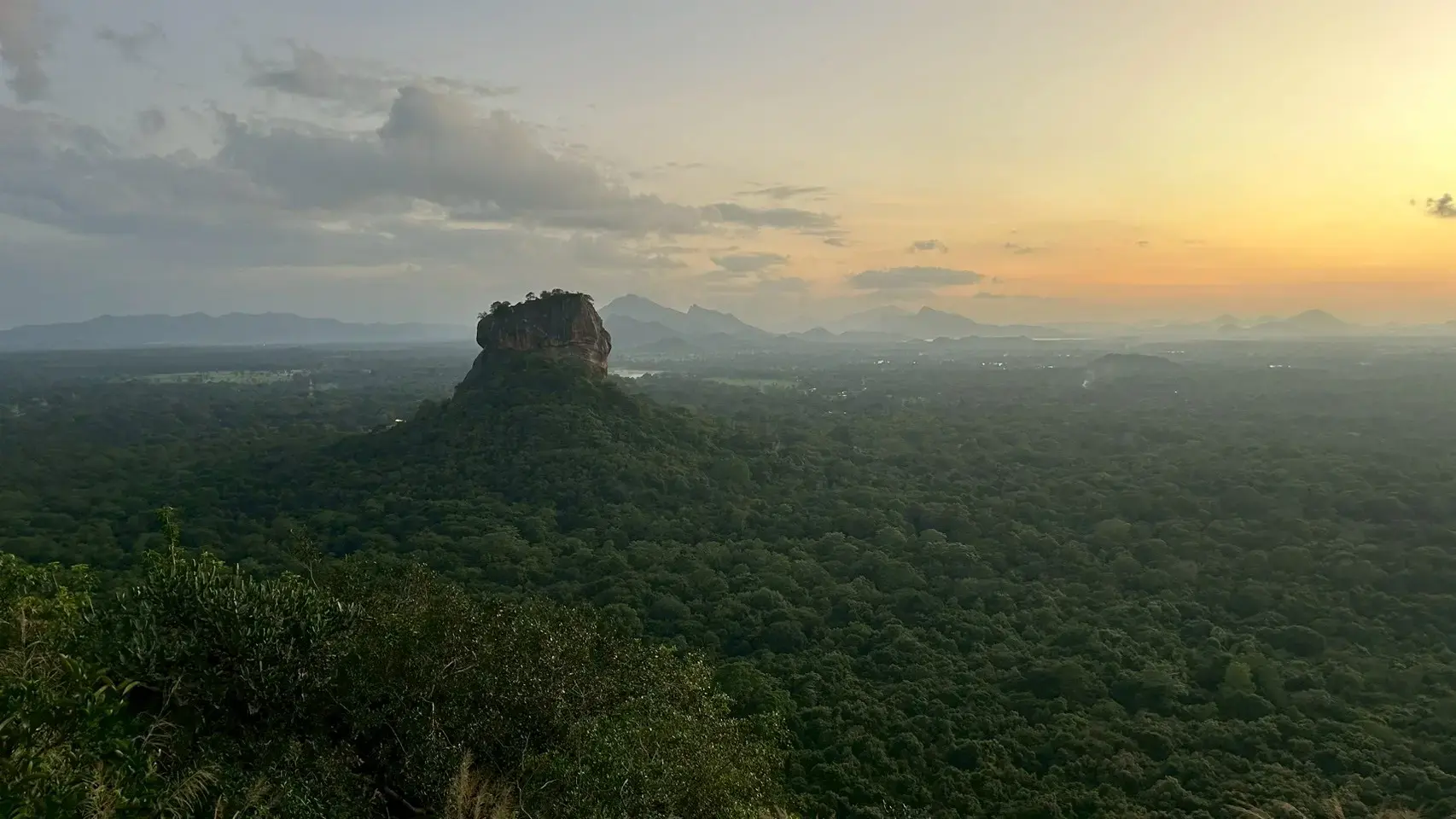
Rising abruptly from the central plains of Sri Lanka, the Sigiriya Rock Fortress is a breathtaking UNESCO World Heritage site and one of the country's most iconic landmarks. Often referred to by locals as the Eighth Wonder of the World, this ancient volcanic plug towers 200 meters (660 feet) high, holding the ruins of an elaborate 5th-century palace fortress built by King Kasyapa.
The Legend of King Kasyapa
The history of Sigiriya is steeped in drama and betrayal. King Kasyapa, having seized the throne from his father King Dhatusena through a coup, fled to the top of this formidable rock to secure himself against his rightful half-brother Mugalan. On this summit, Kasyapa built his palace-fortress, complete with landscaped gardens, complex water systems, and monumental defenses.
Key Highlights of Your Climb
- The Sigiriya Gardens: At the base of the rock lies one of the oldest landscaped gardens in the world, featuring water gardens, boulder gardens, and terraced gardens designed with intricate symmetrical precision.
- The Mirror Wall: Historically polished so bright that the king could see his reflection, this brick wall is covered with graffiti written by visitors dating back to the 6th century, expressing their awe of the rock.
- The Frescoes: Protected in a sheltered pocket of the rock face, these vibrant wall paintings depict beautiful celestial maidens (apsaras) and represent some of the finest surviving examples of ancient Sri Lankan art.
- The Lion's Paw Entrance: Midway up the climb, you will meet the massive paws of a stone lion. Historically, visitors entered the fortress through the mouth of this giant lion, which gave the rock its name (Sinha-giri / Lion Rock).
Essential Travel Tips for Visitors
To make the most of your climb, we recommend starting early in the morning (around 7:00 AM) or late in the afternoon (after 3:30 PM) to avoid the intense midday heat and tourist crowds. Ensure you wear comfortable walking shoes, carry plenty of drinking water, and respect the site by keeping noise levels down near the hornet nests on the rock face.